
Strong negotiation results rarely come from talent alone.
They come from preparation, judgment, and disciplined thinking.
The books below have shaped how experienced negotiators prepare deals, run conversations, and decide under pressure. They focus on what drives outcomes before, during, and after the meeting.
This list is written for negotiators, consultants, and commercial leaders who want repeatable results, not tricks.
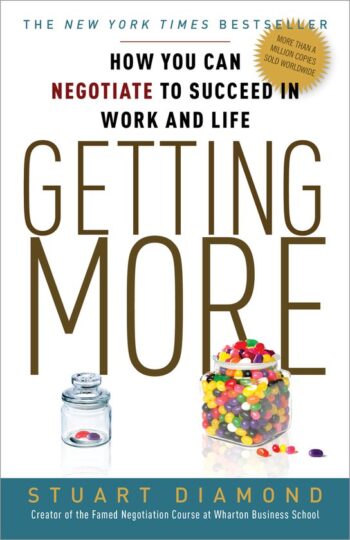
Negotiation begins with how the other side sees the situation.
Stuart Diamond built this book from decades of teaching at Wharton and thousands of real cases. His work shows that people act on perceptions of fairness, respect, and gain. Logic alone rarely moves behavior.
The book trains you to identify interests, not positions. It pushes negotiators to search for low-cost trades, small concessions, and non-monetary value. These moves create momentum and trust, which often lead to larger agreements.
This is one of the most practical books for preparation and role-based exercises. Many teams use its structure as a foundation for negotiation training.
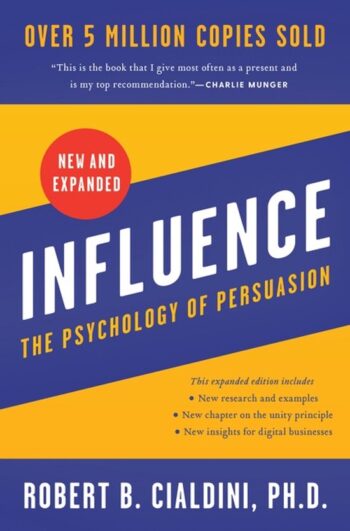
This book explains why people agree.
Robert Cialdini documents six principles that guide decision-making. Reciprocity, commitment, social proof, authority, liking, and scarcity shape behavior in predictable ways. These patterns appear in sales talks, procurement reviews, and internal negotiations.
The value of this book sits in awareness. Once you understand these drivers, you see influence at work long before price or terms appear. Timing, framing, and sequence matter more than strong arguments.
For commercial professionals, this book sharpens meeting design and proposal structure.
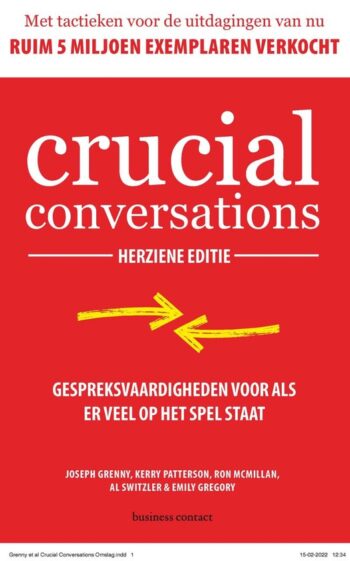
High-stakes conversations decide most deals.
This book focuses on moments where opinions differ and consequences matter. Under pressure, people tend to withdraw or attack. Both reactions damage outcomes.
The authors provide tools to keep dialogue productive. You learn how to speak clearly without triggering defensiveness and how to manage emotion without avoiding the issue. The focus stays on facts, shared purpose, and mutual respect.
Every major negotiation contains at least one crucial conversation. This book prepares you to handle it well.
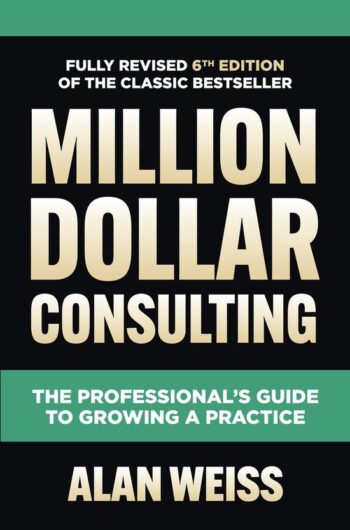
Price discussions fail when value stays vague.
Alan Weiss reframes commercial conversations around outcomes, not effort. He draws a clear line between cost and value and shows how to anchor discussions on results that matter to the client.
The book provides clear language for scope, fees, and boundaries. It helps professionals avoid endless revisions and unpaid work.
Although written for consultants, the principles apply to any role where expertise is sold. It is a strong guide for commercial confidence.
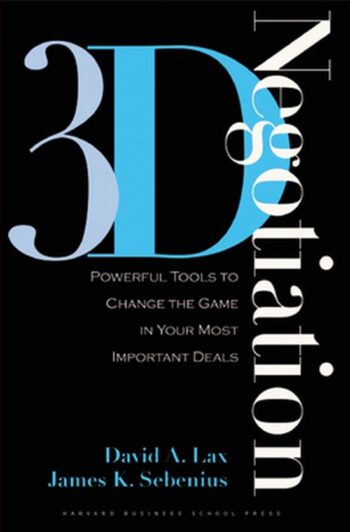
Most negotiators focus only on the meeting.
This book expands the field of view. Lax and Sebenius show that outcomes depend heavily on set-up and deal structure. Who is involved, what issues are linked, and when talks occur often matter more than table tactics.
The authors introduce tools to reshape the negotiation environment before discussions begin. This includes sequencing, coalition building, and option design.
For complex deals, renewals, and multi-party negotiations, this book changes how leverage is created.
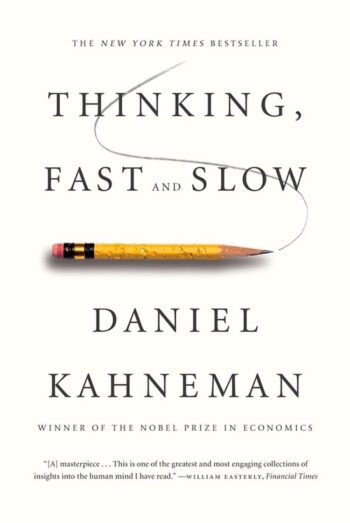
Negotiators trust their judgment too quickly.
Daniel Kahneman explains two modes of thinking. One is fast and intuitive. The other is slow and deliberate. Most negotiation errors come from relying on the first when the second is needed.
The book details common bias patterns such as anchoring, confirmation bias, and overconfidence. These distort listening, evaluation, and choice.
Reading this book builds discipline. It helps negotiators slow down, test assumptions, and make cleaner decisions.
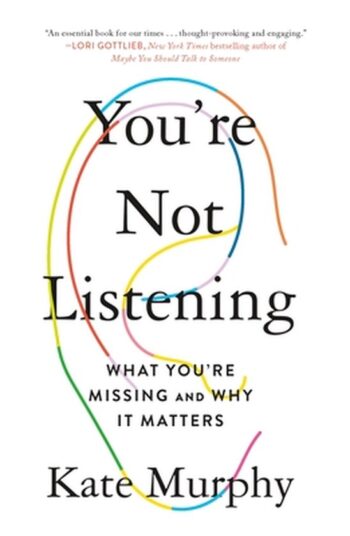
Listening fails under pressure.
Kate Murphy explores why attention drops when stakes rise. Distraction, status, and the urge to reply block real understanding. The book draws lessons from journalists, intelligence professionals, and researchers.
The core message is simple. Curiosity improves influence. Asking clear questions and staying silent long enough produces better information and stronger relationships.
This book fits well with preparation work and stakeholder management.
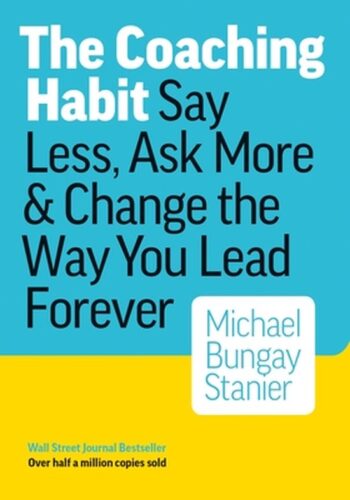
Strong negotiators ask better questions.
Michael Bungay Stanier presents seven short questions that improve conversations. The focus stays on inquiry, not advice. These questions surface interests, constraints, and priorities.
The book helps negotiators avoid solving the wrong problem. It builds trust without giving up control and keeps discussions focused on action.
Negotiation often starts with questions, not arguments. This book reinforces that discipline.
Reading alone does not improve negotiation.
Testing ideas does.
Each book on this list strengthens a different part of the process. Preparation, influence, judgment, listening, and deal structure all shape results.
Use these books as working tools, not theory.

Our Negotiation Consulting services leverage a proven, successful methodology to deliver exceptional outcomes. We empower our clients either through direct support (consulting) or long-lasting capability development to achieve the best possible results in every negotiation.